
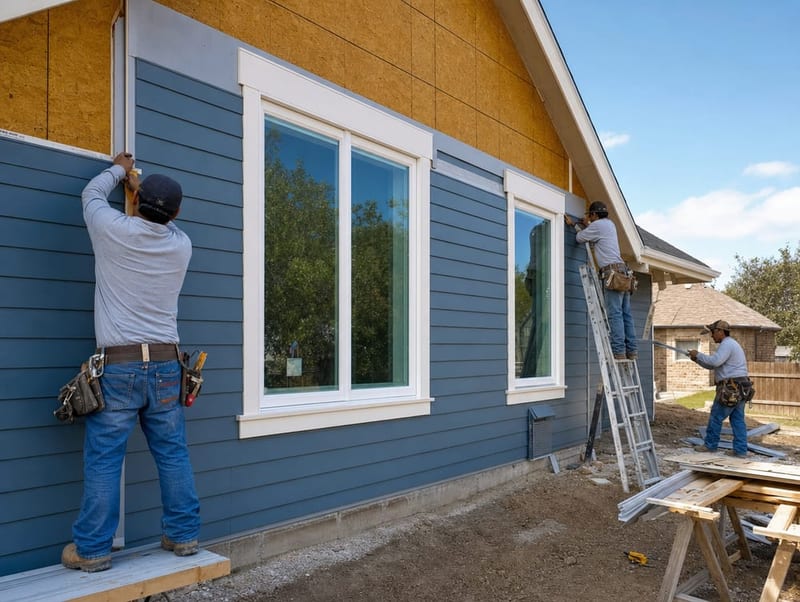
Best Siding for the Texas Climate
Which siding stands up to North Texas heat, hail and storms — and which is the best value.
For most North Texas homes, fiber cement is the best siding for the climate: it resists heat, hail, wind-driven storms, fire and rot, holds paint for years, and won't warp in the sun the way some materials do. Insulated vinyl is the best value alternative, and engineered wood offers a real-wood look with better durability than natural wood.
How the main options compare
- Fiber cement (Hardie-style) — top durability against heat, hail, storms and fire; holds color; higher cost
- Insulated vinyl — best value, low maintenance, added thermal benefit; less impact-resistant than fiber cement
- Engineered wood — real-wood look, lighter and more stable than natural wood
- Natural wood — classic look but the most maintenance in our climate
Why fiber cement wins in North Texas
Our climate throws everything at a home's exterior — intense UV and heat, sudden hailstorms, high winds and big temperature swings. Fiber cement handles all of it: it doesn't melt or warp in heat, resists hail and flying debris far better than vinyl, is non-combustible, and won't rot or feed termites. Its baked-on finishes also hold color much longer under the Texas sun.
When vinyl makes sense
Insulated vinyl is a smart choice when budget is the priority — it's low-maintenance, adds a bit of insulation, and modern products look far better than older vinyl. We help you weigh durability, looks and cost for your home. See pricing in our siding replacement cost guide, or our siding service.
Best Siding for the Texas Climate — frequently asked questions
Homeowner guides: prefer to tackle it yourself first? Our free guides cover fiber cement vs vinyl and signs you need new siding — or browse all remodeling guides.
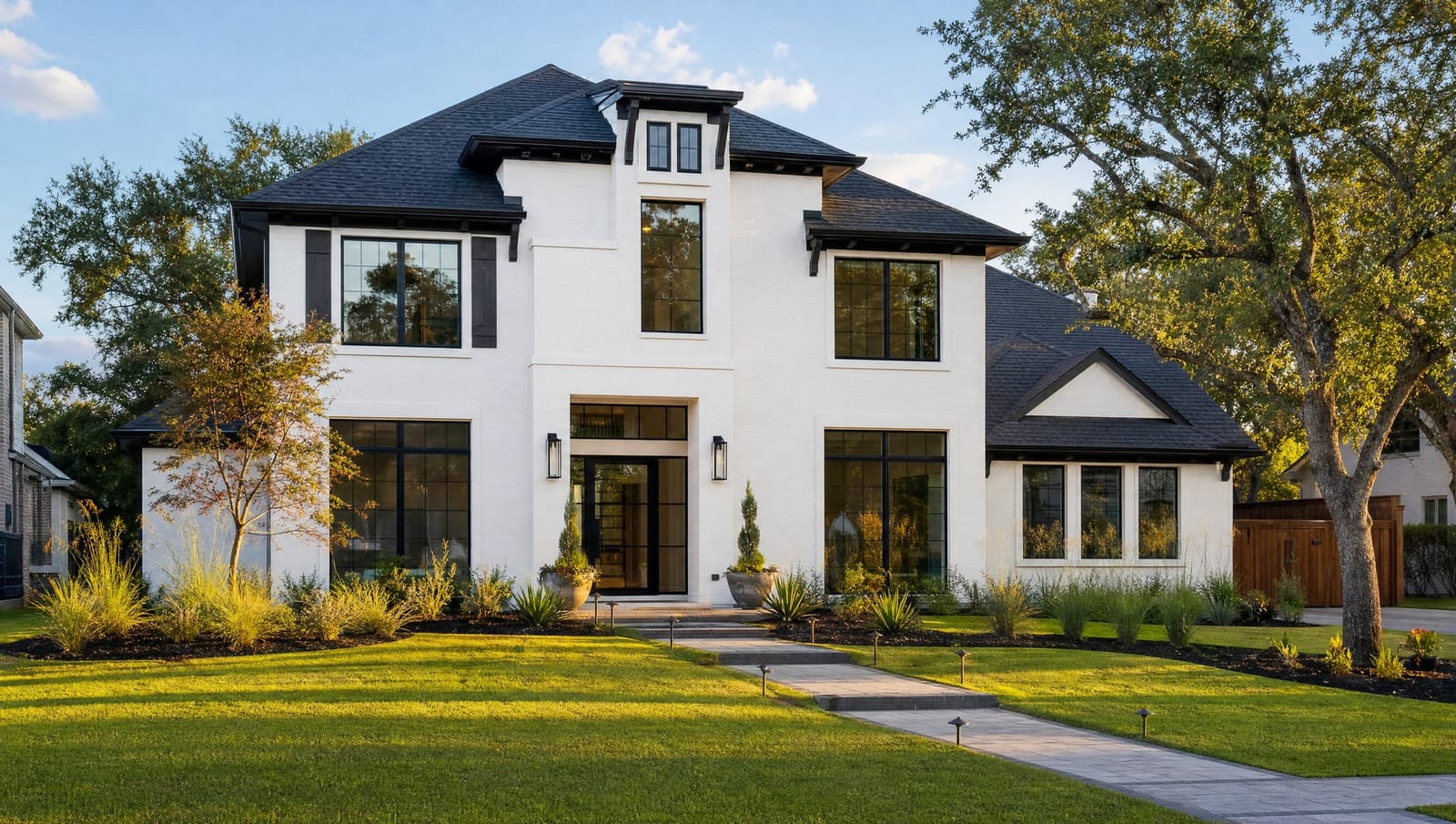
Choose siding built for Texas
Get a free, no-obligation estimate and material guidance — usually within one business day. Serving Dallas–Fort Worth & North Texas for over 25 years.