
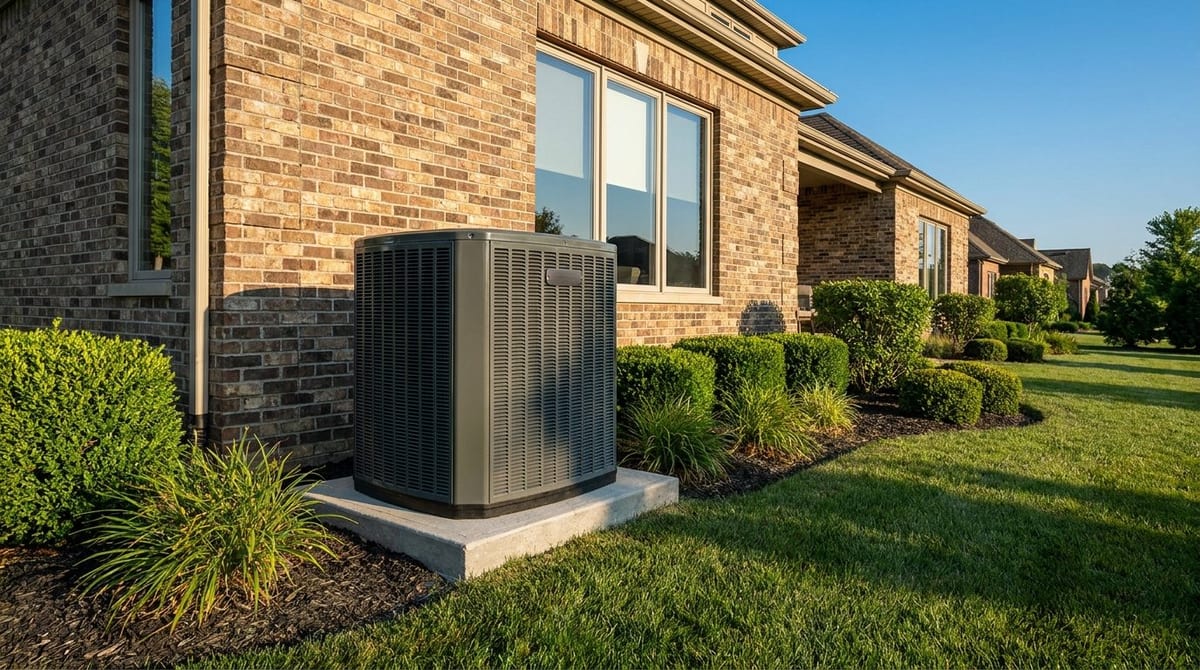
Why is my AC leaking water inside?
Water around the furnace or a ceiling stain — usually a clogged drain line.
By The T.A.P. Team · July 2024 · 6 min read
If you find water pooling around your indoor air handler or a stain spreading on the ceiling below it, the most common cause is a clogged condensate drain line — the pipe that carries away the water your AC pulls out of the air. Other culprits are a frozen coil that's now melting, a cracked drain pan, or a disconnected line. The drain clog you can often clear yourself; the rest are worth a pro's eyes.
- 1Turn the AC OFF to stop more water.
- 2Mop up standing water and find the source.
- 3Check the condensate drain line for a clog.
- 4Look for ice on the coil — a frozen coil drips as it melts.
- 5If the pan is cracked or the line is off, call a pro.
Why your AC makes water in the first place
Air conditioning pulls humidity out of your indoor air, and that moisture condenses on the cold evaporator coil and drips into a pan below it. From there it drains outside through the condensate line. In a humid Texas summer a system can shed several gallons a day — so when the drain path fails, that water has to go somewhere, and it ends up on your floor or ceiling.
A clogged condensate drain line (the usual cause)
The number-one cause of an indoor AC leak is a clogged condensate line. Algae and slime build up inside the pipe, water backs up into the pan, and it overflows. Many systems have a float switch that shuts the AC off when the pan fills — so a clog can also look like an AC that won't run. You can often clear the line yourself with a wet/dry vacuum on the outdoor end and a cup of vinegar down the access port.
A frozen coil that's melting
If the evaporator coil freezes and then thaws, the sudden volume of water can overwhelm the pan and drip out. If you see water and ice together, treat the freeze-up first — see why is my AC freezing up.
A cracked pan, rusted fittings, or a disconnected line
Older systems can develop a cracked or rusted-through drain pan, or the condensate line can come loose at a joint. These aren't DIY fixes — a pan replacement or reseal needs a technician, and it's worth doing before water damages drywall or the furnace below.
Don't ignore an AC leak
Even a slow drip can rot subflooring, stain ceilings, and grow mold in a matter of days in our humidity. Shut the system off, dry the area, and clear or repair the drain before running it again.
| Symptom | Likely cause | What to do |
|---|---|---|
| Water at the indoor unit | Clogged drain line | Clear it with a wet/dry vac + vinegar |
| AC shut off + full pan | Float switch tripped by clog | Clear the drain to reset it |
| Water plus ice on the coil | Frozen coil melting | Fix the freeze-up first |
| Ceiling stain below the attic unit | Overflowing or cracked pan | Call a pro |
| Rusty water / old system | Corroded drain pan | Pan replacement (pro) |
You can DIY
- Turn the system off
- Clear the condensate line (wet/dry vac + vinegar)
- Pour vinegar down the access port monthly
- Replace a clogged filter (prevents freeze-ups)
- Dry the area to prevent mold
Call a pro
- A cracked or rusted drain pan
- A disconnected or re-sloped drain line
- A float switch that won't reset
- Water that reaches the furnace or wiring
- Any recurring or ceiling leak
A yearly (or seasonal) condensate-line flush and a fresh filter prevent almost every indoor AC leak. The drain is out of sight, so it's the maintenance step homeowners skip most — and the one that causes the messiest failures.
Why DFW humidity makes this common
North Texas summers are humid enough that a hard-working AC produces gallons of condensate a day, and warm, damp drain lines are exactly what algae loves. It's one of the most frequent summer service calls across Plano, Frisco, and Richardson. A seasonal drain flush is a five-minute habit that prevents most of them.
The short version
- Most indoor AC leaks come from a clogged condensate drain line.
- Algae clogs the line, water backs up in the pan, and it overflows.
- You can often clear it with a wet/dry vac and a cup of vinegar.
- A frozen coil that melts, or a cracked drain pan, can also leak.
- A float switch may shut the AC off when the pan fills — a clue it's the drain.
- Shut the system off and dry the area fast — leaks cause mold and ceiling damage quickly.
AC leaking water — frequently asked questions

Water around your AC?
Get a free diagnosis and drain-line clear from a licensed local team. Serving Dallas–Fort Worth & North Texas for over 25 years.