
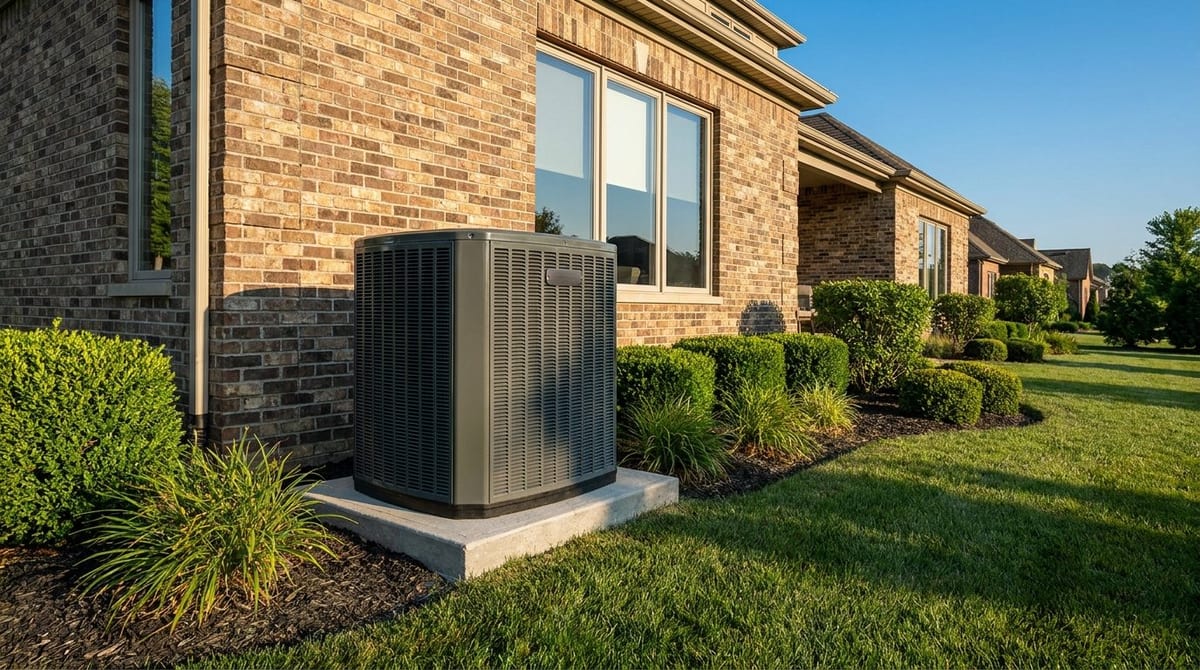
Mini-split vs. central air: which is right for you?
Ductless and zoned vs. whole-home ducted — how to choose for a Texas home.
By The T.A.P. Team · September 2024 · 6 min read
Central air cools your whole house through a network of ducts from one system; a ductless mini-split mounts units in individual rooms or zones with no ductwork at all. Central air is the natural fit for a whole home that already has ducts, while mini-splits win for additions, garages, bonus rooms, and older houses without ducts — and they're very efficient because there are no duct losses. Here's how to choose.
- Central air: whole-home cooling through ducts
- Mini-split: ductless, room-by-room zones
- Mini-splits shine for additions, garages, no-duct homes
- Central air is simpler for a whole ducted house
- Mini-splits are very efficient (no duct losses)
How each one works
Central air uses one indoor unit and outdoor condenser to push conditioned air through ducts to every room — one thermostat, usually one zone. A mini-split connects one outdoor unit to one or more wall- or ceiling-mounted indoor "heads," each cooling its own room with its own control, and no ducts in between.
Where mini-splits win
Mini-splits are ideal when running ductwork is hard or wasteful: a room addition, a converted garage, a bonus room over the garage that never gets comfortable, a sunroom, or an older home with no ducts. Because each head is its own zone, you cool only the rooms you're using — and skipping ducts avoids the energy lost through leaky ductwork in a hot Texas attic.
Where central air wins
For a whole house that already has good ductwork, central air is usually simpler, cheaper per ton of cooling, and less visually intrusive — no indoor heads on the walls. It's the straightforward choice for cooling an entire ducted home from one system, and most DFW homes are built for it.
Cost, efficiency, and looks
Mini-splits cost more per zone and put a visible unit in each room, but they're very efficient and add zoning. Central air is cost-effective whole-home but loses some energy through ducts and cools everything at once. Many Texas homes use both: central air for the main house and a mini-split for a stubborn hot room or addition. Get the whole-home option sized with a load calc.
| Central air | Mini-split (ductless) | |
|---|---|---|
| Coverage | Whole home via ducts | Room-by-room zones |
| Best for | Ducted whole house | Additions, garages, no-duct homes |
| Efficiency | Good (some duct loss) | Very good (no ducts) |
| Zoning | Usually one zone | Per-room control |
| Looks | Hidden (vents only) | Visible indoor heads |
Neither system is universally better — central air is right for a whole ducted home, and a mini-split is right for a space where ducts don't reach or don't make sense. The smart move is often a hybrid: keep efficient central air for the house and add a mini-split for the addition or the room that never gets comfortable. Size either one properly and it'll deliver.
Cooling additions and garages in DFW
A huge share of Texas comfort complaints are one stubborn space — a converted garage, a game room over the garage, a sunroom baking in the afternoon sun. Mini-splits solve those across Frisco, McKinney, and Richardson without re-ducting the house, while central air keeps handling the main living space. Our HVAC team installs both.
The short version
- Central air cools the whole house through ducts from one system.
- Mini-splits are ductless and cool room-by-room, each its own zone.
- Mini-splits win for additions, garages, and homes without ducts.
- Central air is simpler and cheaper per ton for a whole ducted home.
- Mini-splits are very efficient because they skip duct losses.
- A hybrid — central air plus a mini-split for a hot room — is often the best answer.
Mini-split vs central air — frequently asked questions

Cooling a tough space?
Get central air or a mini-split sized and quoted. Serving Dallas–Fort Worth & North Texas for over 25 years.