
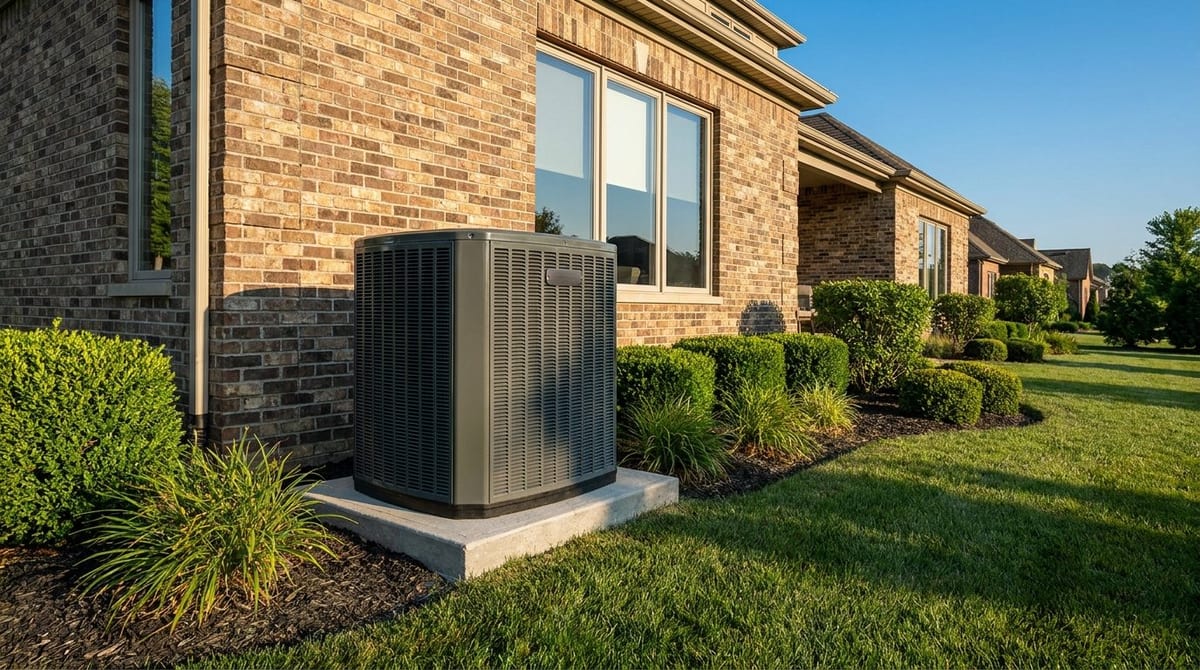
Gas vs. electric furnace: which is better for Texas?
Operating cost, install cost, safety and lifespan — how the two compare here.
By The T.A.P. Team · October 2024 · 6 min read
In a gas-versus-electric furnace decision, gas usually wins on running cost and heats faster — where natural gas is available — while an electric furnace is cheaper to install, simpler, safer (no combustion or carbon monoxide), and tends to last longer. In Texas' mild winters, though, the bigger question is often whether a heat pump beats a furnace entirely. Here's how to weigh it.
- Gas: lower running cost, faster heat (where gas is available)
- Electric: cheaper to install, safer, longer-lived
- Gas needs a gas line and venting; produces CO
- Electric works anywhere; higher running cost
- In mild Texas, a heat pump often beats both
Operating cost
Where natural gas is available and reasonably priced, a gas furnace typically costs less to run per unit of heat than electric resistance, and it heats a home faster on a cold night. An electric furnace converts electricity to heat at 100% efficiency, but electricity is usually a pricier way to make heat — so on the coldest days, gas often costs less to run.
Install cost, safety, and lifespan
An electric furnace is cheaper to buy and install, needs no gas line or flue, and has no combustion — so no risk of a gas leak or carbon monoxide. It also tends to last longer (fewer parts, less stress) — often 20–30 years vs. 15–20 for gas. Gas furnaces need proper venting and an annual safety check of the heat exchanger.
What actually fits a Texas home
Because DFW winters are mild and short, total heating cost is a smaller part of the year than cooling — which changes the math. Many Texas homes do fine with electric heat, and a lot are better served by a heat pump that heats efficiently on our many above-freezing days. See heat pump vs AC.
How to decide
If you already have a gas line and cold-sensitive comfort matters, gas is a solid pick. If you have no gas service, want the simplest and safest system, or plan to pair heating with efficient cooling, electric or a heat pump makes sense. Local energy prices and whether you have gas at the house usually decide it — a good contractor runs your numbers.
| Gas furnace | Electric furnace | |
|---|---|---|
| Running cost | Lower (where gas is cheap) | Higher |
| Install cost | Higher | Lower |
| Heat speed | Faster | Slower / steadier |
| Safety | Combustion + CO risk | No combustion |
| Lifespan | ~15–20 years | ~20–30 years |
The "best" furnace depends on whether you have gas service, your local energy prices, and how cold your winters really get. In mild Texas, don't assume gas by default — run the numbers against electric and a heat pump. A contractor who compares all three for your home, rather than installing whatever's easiest, is the one to trust.
Heating choices in North Texas
With short DFW winters, the heating decision is less costly than the cooling one — which is why we often steer homeowners across McKinney, Plano, and Allen toward a heat pump or efficient electric setup. Our HVAC team prices gas, electric, and heat-pump options so you can compare.
The short version
- Gas furnaces usually cost less to run and heat faster where gas is available.
- Electric furnaces are cheaper to install, safer, and longer-lived.
- Gas needs a gas line and venting and produces carbon monoxide; electric doesn't.
- Electric heat costs more per unit but works anywhere.
- In mild Texas, a heat pump often beats both on total cost.
- Your gas access and local energy prices should make the call.
Gas vs electric furnace — frequently asked questions
Choosing a heating system?
Compare gas, electric, and heat-pump options for your home. Serving Dallas–Fort Worth & North Texas for over 25 years.