
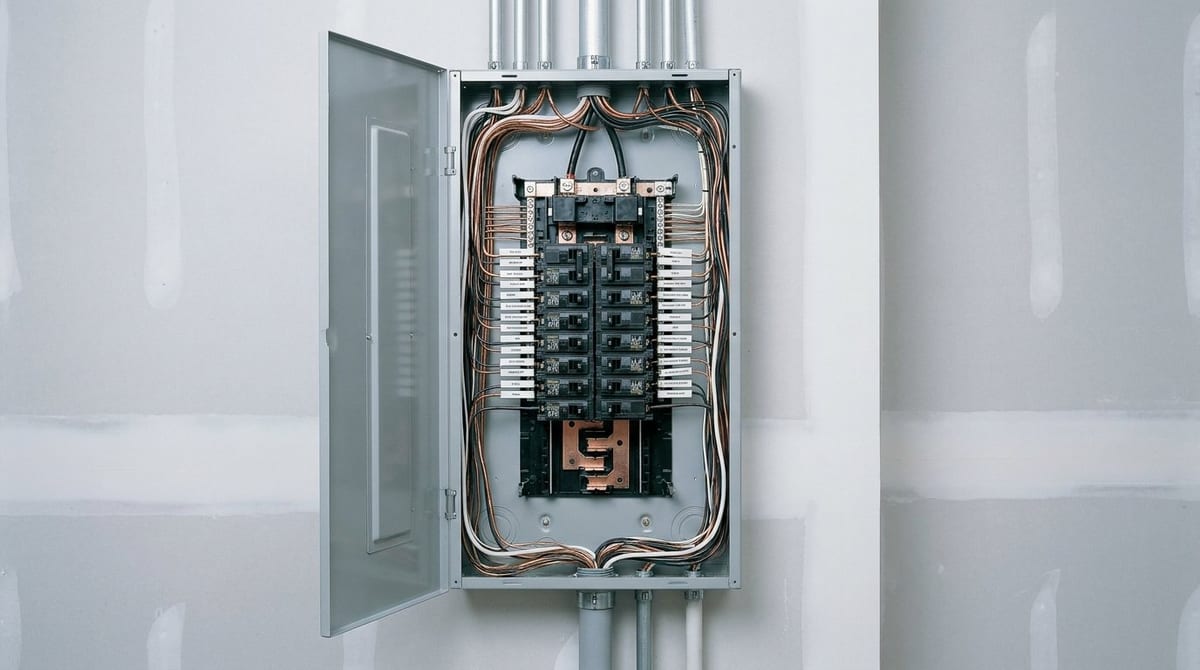
Why do my lights flicker?
Harmless dimming vs. a warning sign — how to tell them apart.
By The T.A.P. Team · March 2024 · 6 min read
Flickering lights can be nothing — a loose bulb or a dimmer that doesn't like an LED — or they can be an early warning of a loose connection, an overloaded circuit, or a failing panel that poses a real fire risk. The key is the pattern: one fixture flickering is usually local and minor; whole-house flickering, or lights that dim when big appliances kick on, points to something that needs an electrician. Here's how to read it.
- 1One bulb/fixture? Tighten or replace the bulb.
- 2Flickers with a dimmer + LED? Bulb/dimmer mismatch.
- 3Whole house flickers? A bigger issue — call a pro.
- 4Dims when the AC/dryer starts? Could be normal or a loose wire.
- 5Buzzing, warmth, or a burning smell? Shut it off; call now.
The harmless causes
A single flickering bulb is usually just loose in the socket or burning out — tighten or replace it. LED bulbs on an old dimmer often flicker because the dimmer wasn't made for LEDs; a compatible LED dimmer fixes it. These are the everyday, no-worry causes, and they're the first things to rule out.
When it's a warning sign
Whole-house flickering, or several fixtures flickering together, is not normal. It can mean a loose or corroded connection at the panel or in the wiring, an overloaded circuit, or a failing breaker — all of which generate heat and can be a fire hazard. Flickering paired with buzzing, warm switch plates, or a burning smell is an emergency: turn off the circuit and call a licensed electrician.
Lights dim when big appliances start
A brief dip when your AC, dryer, or well pump kicks on can be normal — those motors draw a big surge at startup. But if the dip is dramatic, frequent, or getting worse, it can signal an undersized service, a loose connection, or a panel that needs upgrading. Worth having checked, especially in an older home.
The serious one: a loose neutral
A dangerous scenario is a loose neutral connection, which can cause erratic, whole-house flickering and can damage electronics with voltage swings. Sometimes flickering originates outside your home (a utility issue affecting the neighborhood) — but if it's only your house, the problem is your service, panel, or wiring. Because you can't safely tell these apart from outside the panel, widespread flickering warrants a professional diagnosis.
| Symptom | Likely cause | What to do |
|---|---|---|
| One bulb flickers | Loose or dying bulb | Tighten or replace it |
| LED flickers on a dimmer | Incompatible dimmer | Use an LED-rated dimmer |
| Whole house flickers | Loose connection / panel | Call an electrician |
| Dims when AC/dryer starts | Startup surge or loose wire | Have it checked if severe |
| Flicker + buzz/burning smell | Dangerous fault | Shut off; call now |
You can DIY
- Tighten or replace a loose bulb
- Install an LED-compatible dimmer
- Note which fixtures and when
- Check if neighbors are affected too
- Reduce load on a struggling circuit
Call a pro
- Whole-house or multi-fixture flicker
- Any buzzing, warmth, or burning smell
- Dimming when large appliances start
- A suspected loose neutral
- Panel or service diagnosis
A single flickering bulb is a chore; whole-house flickering is a warning. Loose connections and failing panel components flicker because they're arcing and heating up — the exact conditions behind electrical fires. Rule out the bulb, and if the flickering is widespread, recurring, or paired with any buzzing, warmth, or smell, treat it as urgent and get a licensed electrician to inspect the panel and connections.
Older homes and summer strain in DFW
Many North Texas homes were built with 100-amp service that today's AC and appliance loads strain, and flickering under summer load is a common early sign across Richardson, Garland, and Plano. If your lights dim every time the AC starts, it's worth an assessment. See our electrical team.
The short version
- One flickering bulb is usually just loose or burning out — an easy fix.
- LEDs flickering on an old dimmer need an LED-compatible dimmer.
- Whole-house or multi-fixture flickering is not normal — call an electrician.
- A big dip when the AC or dryer starts can be normal, or a loose connection.
- Flickering with buzzing, warmth, or a burning smell is an emergency.
- Loose connections and failing panels flicker because they're heating up — a fire risk.
Flickering lights — frequently asked questions

Lights flickering house-wide?
Get a licensed electrician to check your panel and connections. Serving Dallas–Fort Worth & North Texas for over 25 years.