
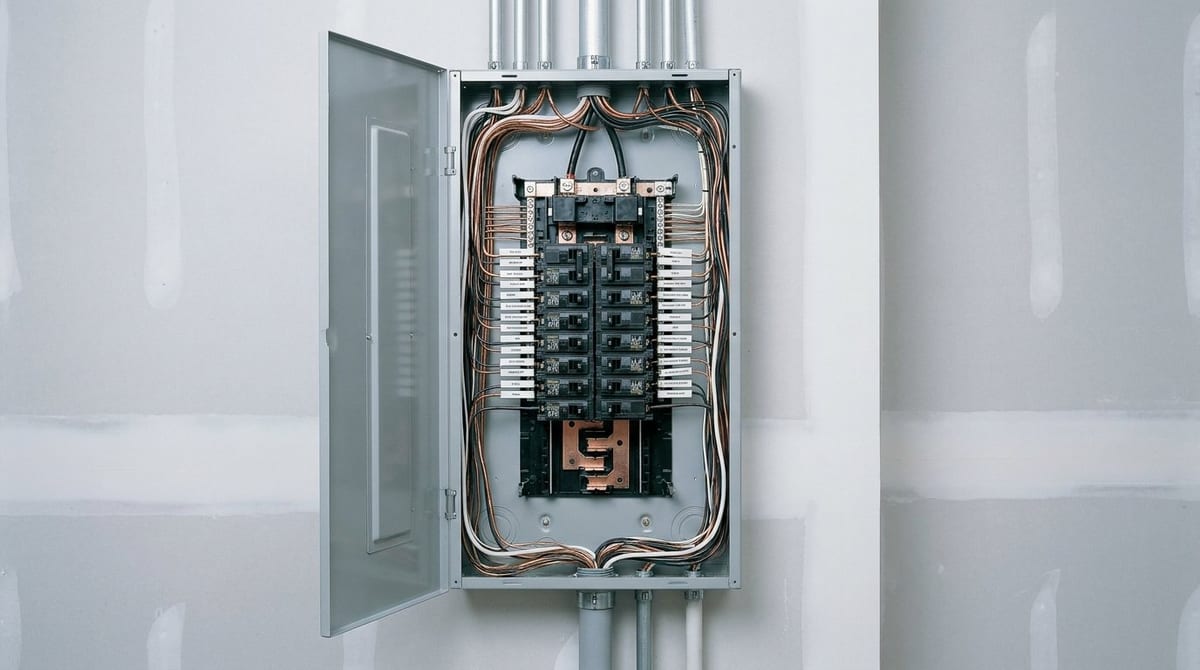
Do I need an electrical panel upgrade?
The signs, why 200-amp is standard now, and the safety brands to check.
By The T.A.P. Team · September 2024 · 6 min read
You likely need an electrical panel upgrade if your home still has a 100-amp (or fuse) panel, breakers trip frequently, there's no room to add circuits, or you have a panel brand that's been flagged as a fire risk (Federal Pacific/FPE, Zinsco). Modern homes — with central AC, EV chargers, and heavy appliance loads — are built around 200-amp service. Here's how to tell if yours is due, and why it's a safety issue, not just a convenience one.
- You have a 100-amp panel or old fuse box
- Breakers trip often; no room for new circuits
- Adding central AC, an EV charger, or a big remodel
- A recalled/unsafe brand (Federal Pacific, Zinsco)
- The panel is warm, buzzing, rusted, or 25+ years old
Capacity: 100-amp vs 200-amp
Older DFW homes often have 100-amp service, which was fine decades ago but strains under modern loads — central AC, electric ranges, EV chargers, and a house full of electronics. 200-amp service is today's standard and gives you the headroom for those loads plus future additions. If you're adding a big appliance, an EV charger, or doing a remodel, capacity is often the trigger.
No room to grow
A panel only has so many slots. If yours is full — or already using "tandem" breakers to squeeze in circuits — there's nowhere to add the dedicated circuits a new AC, hot tub, or shop needs. A panel that's out of space is a common, practical reason to upgrade, and it's the moment to right-size the whole service.
Safety: recalled and failing panels
Some panel brands are known fire hazards. Federal Pacific Electric (FPE) "Stab-Lok" and Zinsco panels have a documented history of breakers that fail to trip — meaning they don't protect you as designed. If you have one of these, replacement is strongly recommended regardless of capacity. Warning signs on any panel: warmth, buzzing, rust, scorch marks, or a burning smell — all reasons to call an electrician promptly.
When it's worth it
A panel upgrade is a significant job (it involves the utility and a permit/inspection), so it's worth doing when you have real capacity or safety reasons — not just age alone. But a 100-amp panel, a recalled brand, frequent tripping, or a major addition all make it a sound investment in safety and capacity. See typical electrical cost and our panel upgrade services.
| Sign | What it means |
|---|---|
| 100-amp or fuse panel | Undersized for modern loads |
| Breakers trip often | At or over capacity |
| No open slots | Can't add circuits |
| FPE / Zinsco brand | Known fire risk — replace |
| Warm/buzzing/rusted | Failing — inspect now |
A panel doesn't need replacing just because it's old — plenty of older panels are safe and adequate. The real triggers are capacity (a 100-amp box that can't handle your loads or additions) and safety (a recalled FPE/Zinsco brand, or signs of overheating). Upgrade for those reasons, right-size to 200-amp while you're at it, and always use a licensed electrician with a permit — it's utility-connected, high-voltage work.
Panel upgrades in North Texas homes
A wave of DFW homes from the mid-century through the 1990s still run 100-amp service or carry recalled panel brands, and modern AC and EV loads are exposing the limits across Allen, Frisco, and McKinney. We assess and upgrade panels to code with permits and inspection. See our electrical team.
The short version
- A 100-amp panel or old fuse box is undersized for modern AC, appliance, and EV loads.
- Frequent tripping or no open breaker slots means you're at capacity.
- Adding central AC, an EV charger, or a big remodel often triggers an upgrade.
- Federal Pacific (FPE) and Zinsco panels are known fire risks — replace them.
- Warmth, buzzing, rust, or scorch marks on a panel mean call an electrician now.
- 200-amp is the modern standard; upgrade for capacity or safety, not age alone.
Panel upgrades — frequently asked questions
Panel maxed out or outdated?
Get a free assessment and an honest upgrade recommendation. Serving Dallas–Fort Worth & North Texas for over 25 years.