
What causes power surges?
External vs internal surges — and why the everyday ones do the quiet damage.
By The T.A.P. Team · May 2024 · 5 min read
Power surges come from two places: outside your home (lightning strikes and utility grid switching), and — surprisingly — inside it (large appliances like your AC, refrigerator, and pool pump cycling on and off). The big external surges get the attention, but the small, frequent internal ones do quiet, cumulative damage to your electronics over time. Here's what causes surges and how layered protection stops both kinds.
- External: lightning and grid switching
- Internal: big appliances cycling on/off
- Internal surges are small but constant
- A big surge can destroy electronics instantly
- Layered protection covers both kinds
External surges (the big ones)
The dramatic surges come from outside: a lightning strike (direct or nearby) or utility grid switching and faults. They're relatively rare but can be enormous — enough to fry electronics and appliance control boards instantly. Storm-prone Texas sees more of them than milder regions, which raises the stakes for protection.
Internal surges (the surprising majority)
Most surges actually originate inside your home. Every time a large motor-driven appliance — your AC, refrigerator, dryer, or pool pump — cycles on or off, it sends a small voltage spike back through your wiring. These happen dozens of times a day, and while each is minor, together they slowly degrade sensitive electronics. This is the damage homeowners never see happening.
What surges damage
Surges harm anything with a circuit board: computers, TVs, gaming consoles, smart-home hubs, LED bulbs, and the electronic controls in modern appliances and HVAC. A big surge can kill them outright; the steady drip of internal surges shortens their lifespan quietly, so you just notice things "wearing out" sooner than they should.
How to stop them
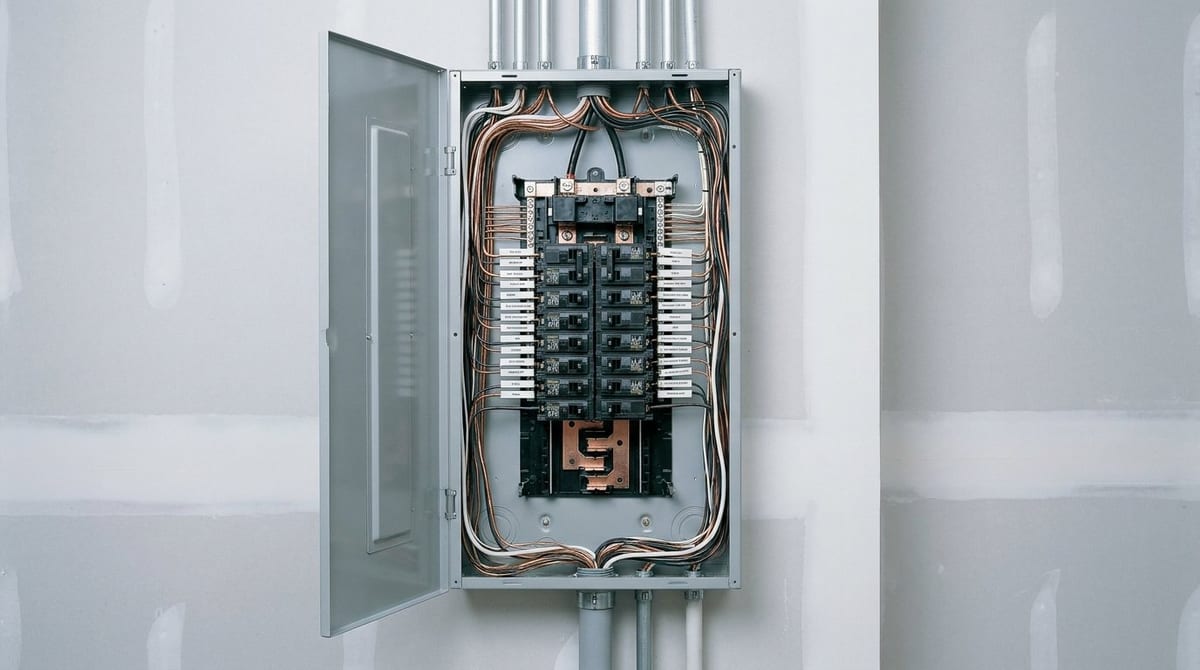
The answer is layered protection: a whole-home surge protective device at your panel to absorb the big external hits, plus quality point-of-use protectors on your most sensitive electronics. Both rely on proper grounding to divert excess voltage safely. See our electrical services.
| External surges | Internal surges | |
|---|---|---|
| Source | Lightning, grid switching | Appliances cycling on/off |
| Size | Large | Small |
| Frequency | Rare | Many times a day |
| Damage | Instant destruction | Cumulative wear |
| Defense | Whole-home SPD | Point-of-use + SPD |
Homeowners tend to guard against lightning and forget the everyday internal surges that quietly age their electronics. Best practice covers both: a whole-home surge protective device at the panel for the big hits, point-of-use protectors on valuable electronics for the rest, and proper grounding so both can do their job. In Texas storm country, that layered approach is cheap insurance.
Surges and Texas weather
North Texas's frequent thunderstorms and grid activity mean external surges are more common here — a big reason layered surge protection is popular across Plano, Richardson, and Garland. We install whole-home protection and verify grounding. See our electrical team.
The short version
- Surges come from outside (lightning, grid switching) and inside (appliances cycling).
- External surges are large and rare; internal ones are small but constant.
- Most surges actually originate inside your home from big appliances.
- A big surge can destroy electronics instantly; small ones cause cumulative wear.
- Layered protection — a whole-home SPD plus point-of-use protectors — stops both.
- Proper grounding is required for any surge protection to work.
Power surges — frequently asked questions

Worried about surges?
Get layered surge protection installed. Serving Dallas–Fort Worth & North Texas for over 25 years.