
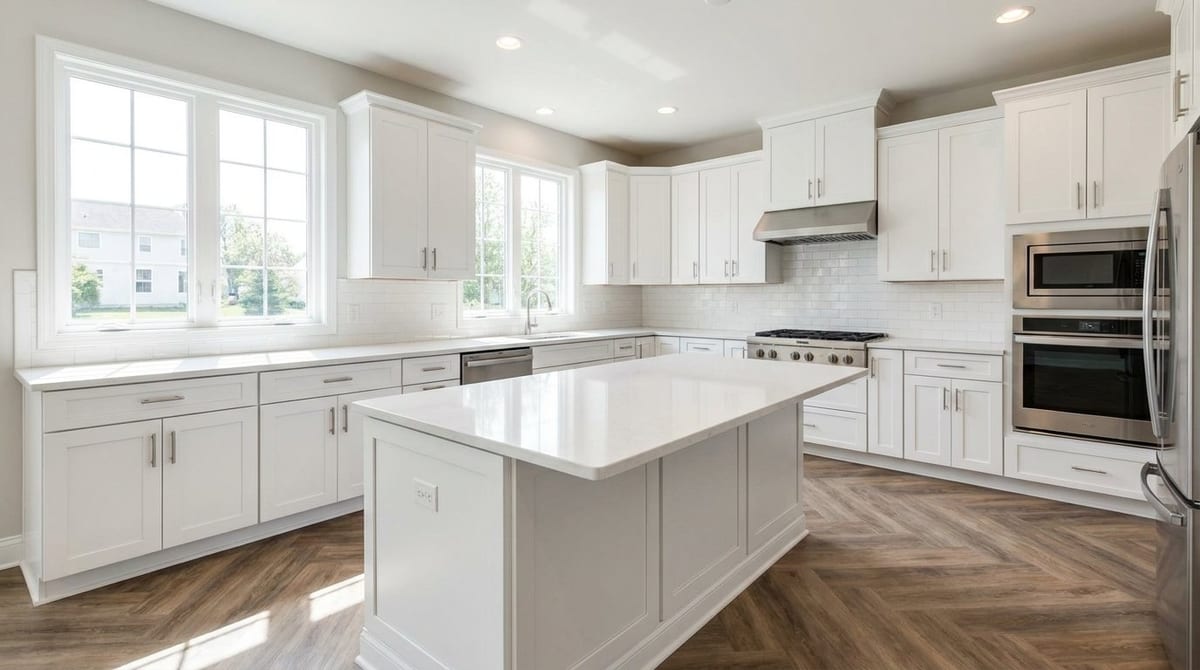
How to choose flooring for your home
Match the floor to the room, then weigh durability, comfort, and cost.
By The T.A.P. Team · February 2024 · 6 min read
Choosing flooring is really about matching the right material to each room and how you live. A mudroom, a bathroom, and a bedroom have very different demands — moisture, traffic, and comfort all vary — so the "best" floor changes room to room. Once you've matched material to room, you weigh durability, comfort underfoot, and cost. Here's a plain-English overview of the main flooring types and how to choose the right one for each space.
- Match the material to the room first
- Wet areas: waterproof tile or luxury vinyl
- High-traffic areas: durable, scratch-resistant floors
- Bedrooms: comfort matters more than water
- Then weigh durability, comfort, and cost
Match the material to the room
Start with the room's demands. Bathrooms, laundry rooms, and entries need waterproof flooring like tile or luxury vinyl. Living areas and kitchens need durability for heavy traffic. Bedrooms prioritize comfort and quiet, where carpet or a warm wood-look shines. Matching the floor to the room is the single most important step — a beautiful floor in the wrong room fails fast.
The main options at a glance
Luxury vinyl (LVP/LVT): waterproof, durable, affordable, wood/stone looks — the most versatile pick. Tile: waterproof and nearly indestructible, ideal for wet and high-traffic areas. Hardwood: classic, adds real value, but scratches and dislikes moisture. Laminate: budget wood-look, but water-sensitive. Carpet: soft and warm for bedrooms. See hardwood vs tile and luxury vinyl vs laminate for the close calls.
Durability, comfort, and cost
Every floor trades these off. Tile is the most durable but hardest and coldest underfoot; carpet is the softest but least durable and stain-prone; luxury vinyl lands in a sweet spot of durability, comfort, and price; hardwood is beautiful and adds resale value but needs care. Factor households with pets and kids toward the tougher, waterproof options, and set the material against your flooring budget.
Consistency through the home
One design tip that pays off: use the same flooring (or a coordinated look) across connected open spaces to make the home feel larger and more cohesive, then switch materials where function demands — tile in the wet rooms, carpet in bedrooms. That balance of a consistent main floor plus purpose-built floors in special rooms is what looks intentional. Our flooring team can help you plan it room by room.
| Flooring | Best for |
|---|---|
| Luxury vinyl (LVP) | Most rooms — waterproof, versatile |
| Tile | Wet and high-traffic areas |
| Hardwood | Living/dining — value and warmth |
| Laminate | Budget wood-look, dry rooms |
| Carpet | Bedrooms — comfort and quiet |
The common mistake is choosing one floor you love and forcing it everywhere. The better approach matches each space to its demands — waterproof floors where there's water, tough floors where there's traffic, soft floors where there's comfort — while keeping a consistent look across connected open areas. That gives you floors that both look cohesive and actually hold up in every room, instead of one compromise everywhere.
Flooring for North Texas homes
From waterproof luxury vinyl to tile and hardwood, we install flooring throughout homes across Plano, Frisco, and Allen. See our flooring team.
The short version
- Choose flooring by matching the material to each room's moisture and traffic first.
- Wet areas need waterproof tile or luxury vinyl; bedrooms prioritize comfort.
- Luxury vinyl is the most versatile pick — waterproof, durable, and affordable.
- Tile is the most durable, hardwood adds value, carpet is softest, laminate is budget.
- Weigh durability, comfort, and cost, factoring in pets and kids.
- Keep a consistent look across open areas and switch materials where function demands.
Choosing flooring — frequently asked questions
New floors on your mind?
Get a free in-home flooring consultation. Serving Dallas–Fort Worth & North Texas for over 25 years.