
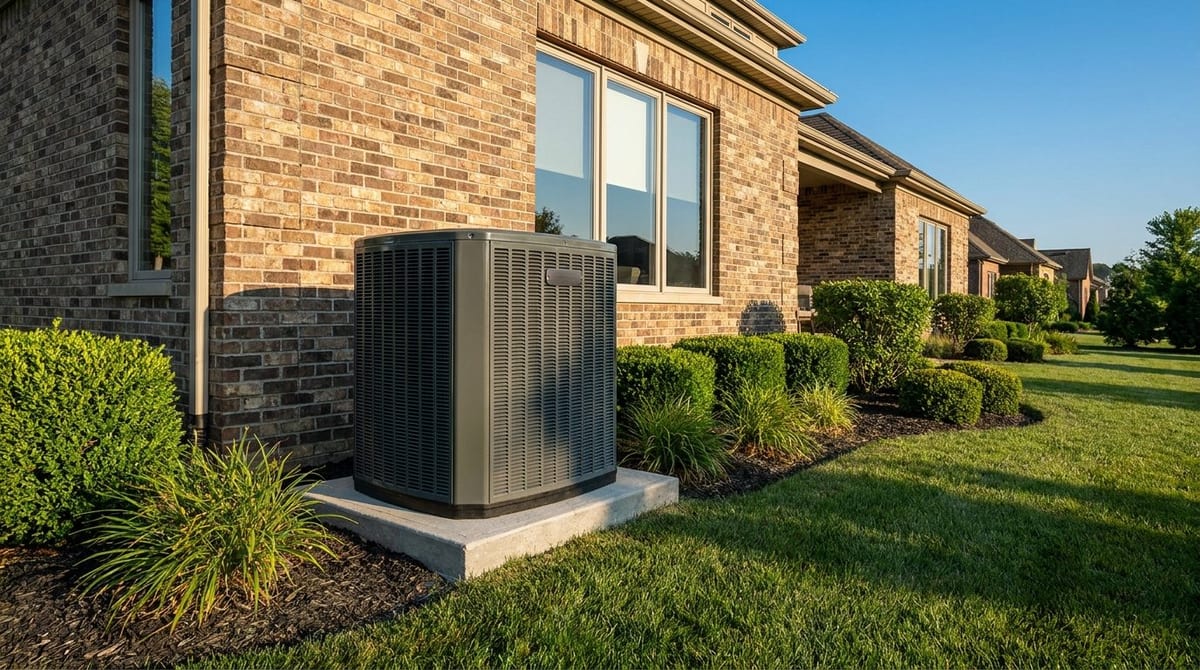
Signs you need a new AC unit
Seven signals it's time to replace — and how to weigh repair vs replacement.
By The T.A.P. Team · September 2024 · 6 min read
The clearest signs you need a new AC are age (past 12–15 years in Texas), climbing energy bills, repairs every summer, and a system that uses phased-out R-22 refrigerant. Add uneven cooling, humidity problems, or a repair quote north of about a third of a new system, and replacement usually wins. Here's how to read the signals and make the call.
- Age 12–15+ years
- Rising energy bills
- Repairs every season
- Uses R-22 (phased-out) refrigerant
- Uneven cooling or humidity problems
- Repair cost more than ~1/3 of a new system
1–2. Age and rising bills
A Texas AC lasts about 12–15 years (see how long an AC lasts). As it ages, efficiency fades and the same cooling costs more — if your summer bills keep climbing with no change in habits, the system is working harder to do less.
3–4. Frequent repairs and R-22 refrigerant
One repair is normal; a repair every season is a pattern. And if your system uses R-22 (Freon) — phased out and now very expensive — even a simple recharge can cost a small fortune, which tilts the math hard toward replacement.
5–6. Uneven cooling and humidity
Rooms that never get comfortable, a system that runs constantly without keeping up, or a house that feels muggy all point to a system that's undersized, worn, or failing. These are comfort problems a tune-up won't fix on old equipment.
7. The repair-vs-replace math
A common rule: if a repair costs more than about a third of a new system and the unit is past 10–12 years, replace it. A new high-SEER system also cuts the bills an old one inflates. See replacement cost and when to replace an AC in Texas.
| Sign | What it usually means |
|---|---|
| 12–15+ years old | Near end of life |
| Bills keep rising | Lost efficiency |
| Repairs every season | Failing components |
| Uses R-22 refrigerant | Expensive to service |
| Uneven / muggy | Undersized or worn |
| Big repair quote | Replace, don't repair |
The right answer isn't always "replace" — sometimes a cheap fix buys good years. Best practice is a straight assessment that weighs the unit's age, the repair cost, its efficiency, and R-22 status, and gives you the math rather than a sales pitch. That's how you avoid both a wasteful replacement and throwing money at a dying system.
Replacing an AC in a DFW summer
Most North Texas systems reach end-of-life at 12–15 years, and they tend to quit in July when they're working hardest. If yours is showing these signs, it's better to plan a replacement across Frisco, Plano, or Allen before a breakdown forces a rushed decision.
The short version
- Age past 12–15 years is the biggest sign — Texas heat ages AC fast.
- Rising bills mean lost efficiency, even if it still cools.
- Repairs every season signal failing components, not bad luck.
- R-22 refrigerant makes older systems very expensive to service.
- Uneven cooling or a muggy house point to a worn or undersized system.
- If a repair tops ~1/3 of a new unit on a 10+ year system, replace it.
Signs you need a new AC — frequently asked questions

Not sure if it's time?
Get a free, honest repair-or-replace assessment. Serving Dallas–Fort Worth & North Texas for over 25 years.