
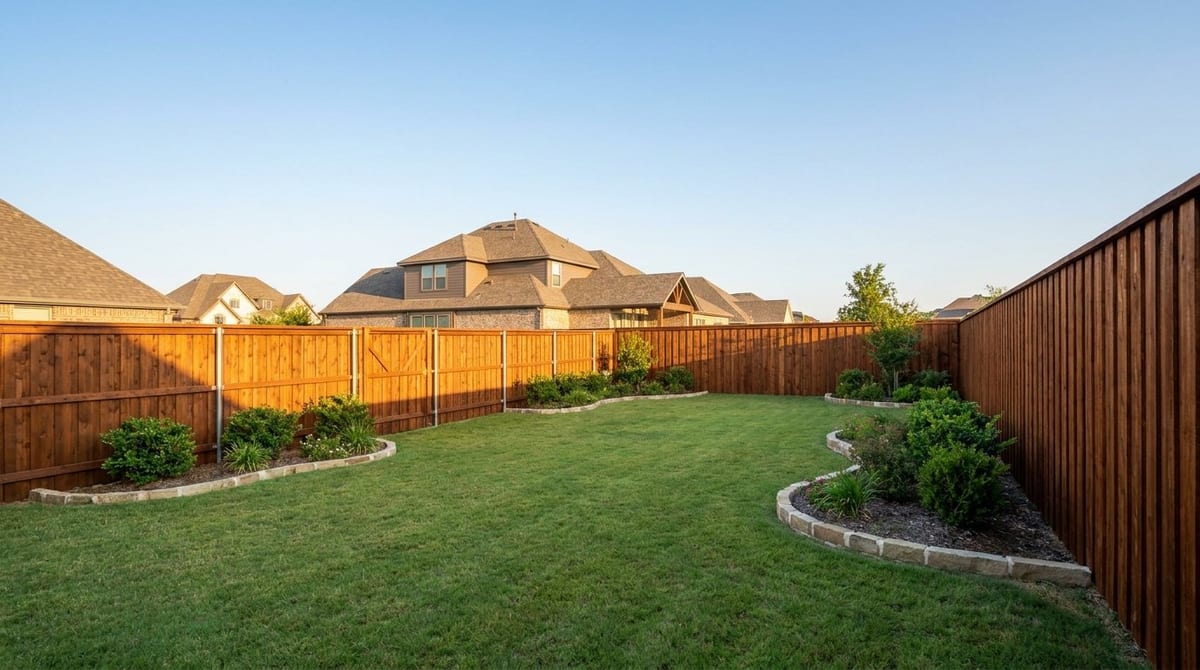
How to clean a wood fence
Remove mildew and gray, and prep for stain — without gouging the wood.
By The T.A.P. Team · May 2024 · 5 min read
Cleaning a wood fence removes the mildew, dirt, and gray weathering that build up in our climate — and it's the essential first step before staining. The safe approach is a fence-cleaning solution (or oxygen bleach) with a soft brush or a gentle pressure-wash, followed by a full dry-out. The key is being gentle: too much pressure or the wrong chemical damages the wood. Here's how to clean it right and get it ready for a fresh coat.
- 1Wet the wood and nearby plants first.
- 2Apply a fence cleaner or oxygen bleach.
- 3Scrub with a soft brush; let it dwell.
- 4Rinse — or pressure-wash gently, with the grain.
- 5Let it dry 24–48 hours before staining.
Choose the right cleaner
A dedicated wood-fence cleaner or oxygen bleach (sodium percarbonate) lifts mildew, dirt, and gray without the harshness of chlorine bleach, which can damage wood fibers and kill nearby plants. Wet down surrounding grass and shrubs first to protect them, and follow the product's mix and dwell-time instructions.
Scrub or pressure-wash gently
For most fences, applying the cleaner and scrubbing with a stiff-but-soft brush is enough. If you pressure-wash, use a low-to-moderate setting and a wide fan tip, keep the nozzle moving and a foot or so back, and go with the grain — too much pressure gouges and furrows the wood, which then holds moisture and grays faster. Gentle beats aggressive every time.
Rinse and dry fully
Rinse off the cleaner thoroughly, then let the fence dry for 24–48 hours (longer if it's humid or the wood is thick). Stain won't adhere to damp wood, so this dry-out is not optional if cleaning is a prelude to sealing. A moisture check — sprinkle water; if it soaks in rather than beading, it's ready for stain.
Then stain to protect it
Cleaning restores the look, but bare, clean wood is unprotected — the point of cleaning is usually to prep for stain. Once it's dry, apply a semi-transparent stain-sealer to lock in the fresh look and block UV and moisture. See how to stain or seal a fence for the finishing step.
| Do | Skip |
|---|---|
| Fence cleaner / oxygen bleach | Harsh chlorine bleach (damages wood) |
| Soft brush or gentle wash | High-pressure blasting (gouges) |
| Wash with the grain | Cross-grain or too close |
| Wet nearby plants first | Letting cleaner soak the garden |
| Dry 24–48 hrs, then stain | Staining damp wood |
You can DIY
- Apply fence cleaner/oxygen bleach
- Scrub with a soft brush
- Pressure-wash gently, with the grain
- Rinse and protect plants
- Dry fully, then stain
Call a pro
- Large or tall fences
- Heavy mildew or stains
- Cleaning plus repairs and staining
- Getting an even result without damage
- Fences needing full restoration
The two mistakes with fence cleaning are using harsh chlorine bleach (which damages wood and plants) and blasting with too much pressure (which gouges the surface). Use a wood-safe cleaner, a gentle touch, and — crucially — follow up with stain once it's dry. Cleaning alone leaves the wood exposed; cleaning plus sealing is what actually protects and preserves the fence.
Fence cleaning in the Texas climate
Our humidity and heat grow mildew and gray weathering on fences faster than you'd think, so a clean-and-seal every few years keeps them looking new across Frisco, Plano, and McKinney. We clean, restore, and finish fences — or build new ones to last. See our fence team.
The short version
- Clean a wood fence with a fence cleaner or oxygen bleach, not harsh chlorine bleach.
- Scrub with a soft brush, or pressure-wash gently with the grain.
- Too much pressure gouges the wood and makes it gray faster.
- Wet nearby plants first to protect them from the cleaner.
- Let the fence dry 24–48 hours before staining.
- Cleaning is usually prep for stain — seal the wood once it's dry.
Cleaning a wood fence — frequently asked questions

Fence looking tired?
Get it cleaned, restored, and sealed — or rebuilt. Serving Dallas–Fort Worth & North Texas for over 25 years.