
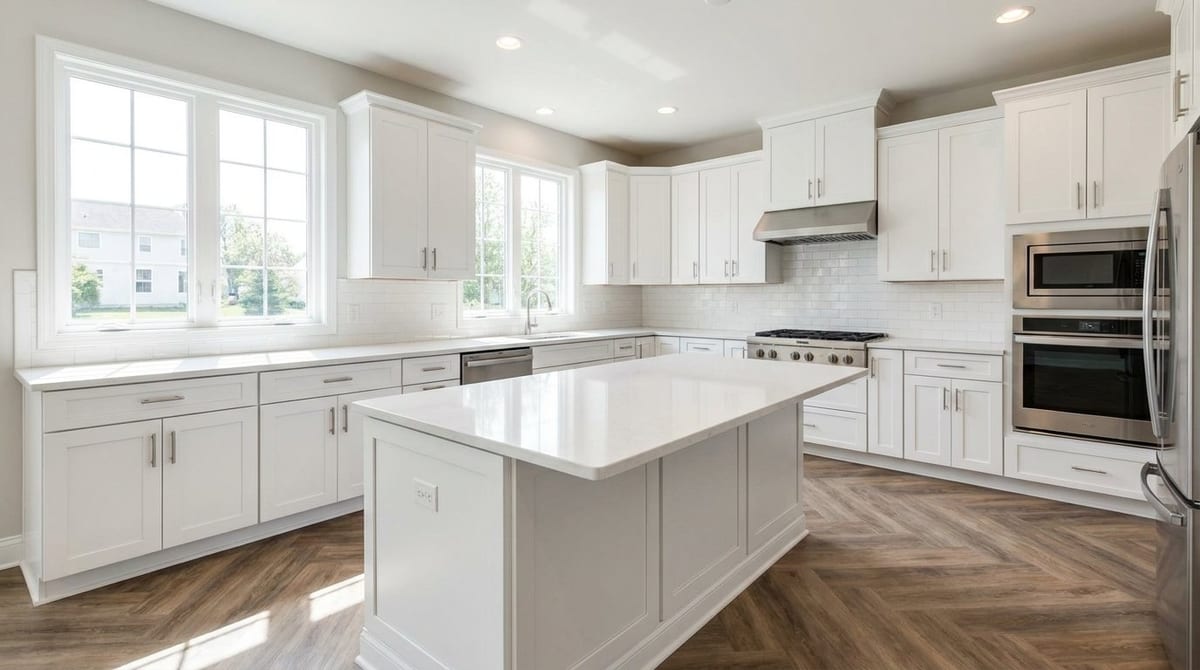
What paint finish should I use?
Flat hides flaws; glossier is more durable and washable.
By The T.A.P. Team · March 2024 · 5 min read
Picking the paint color is only half the decision — the finish (or sheen) matters just as much, and using the wrong one is a common mistake. Sheen runs from flat to high-gloss, and the core trade-off is simple: flatter finishes hide wall flaws but are harder to clean, while glossier finishes are more durable and washable but show every imperfection. The trick is matching the finish to the room. Here's which paint finish to use where.
- Flat/matte: hides flaws, least washable
- Eggshell: soft, good for most walls
- Satin: slight sheen, more scrubbable
- Semi-gloss: durable, for trim/kitchens/baths
- Gloss: hardest and shiniest, for doors/cabinets
What "sheen" actually means
Sheen is how much light the dried paint reflects, from flat (no shine) to high-gloss (mirror-like). The reason it matters beyond looks: the shinier the finish, the tougher and more washable it is — but also the more it highlights every bump, patch, and roller mark. Flatter finishes are the opposite: forgiving of flaws but harder to scrub without burnishing. Every finish is a point on that durability-versus-flaw-hiding scale.
Room by room
Match the sheen to how the room is used. Flat/matte: ceilings and low-traffic, adults' bedrooms where hiding imperfections wins. Eggshell: the go-to for most living rooms, dining rooms, and bedrooms — a soft look that's still wipeable. Satin: hallways, kids' rooms, and busy areas that need more scrubbing. Semi-gloss: kitchens, bathrooms, trim, doors, and cabinets, where moisture and cleaning demand durability.
The durability trade-off
Because glossier paint takes cleaning and moisture better, it's tempting to use it everywhere — but on a big wall, semi-gloss will spotlight every flaw and roller lap, which looks worse, not better. That's why walls usually get eggshell or satin (enough washability without broadcasting imperfections) while the shiny finishes are saved for trim and wet rooms. Good wall prep lets you go a step glossier without the flaws showing.
A note on exteriors
Outside, the same logic applies with a durability tilt: satin is a popular all-around exterior finish, with semi-gloss for doors, shutters, and trim, and flatter finishes to disguise imperfections on older siding. Whatever the room, pair the right sheen with the right color — the two together make the finish. Our painting team matches sheen to every surface as standard.
| Finish | Best for |
|---|---|
| Flat / matte | Ceilings, low-traffic bedrooms |
| Eggshell | Most living rooms and bedrooms |
| Satin | Hallways, kids' rooms, busy areas |
| Semi-gloss | Kitchens, baths, trim, doors |
| Gloss | Cabinets and accent doors |
The reliable formula that avoids both problems — walls that can't be cleaned and walls that show every flaw — is eggshell or satin on most walls, flat on ceilings, and semi-gloss on trim, doors, and in kitchens and baths. That gives you washability where life is messy and flaw-hiding on the big surfaces. Only step walls up to semi-gloss if the prep is excellent, because gloss shows everything.
The right finish for North Texas homes
We match the right sheen to every surface — walls, trim, ceilings, kitchens, and baths — on painting projects across Allen, Plano, and Garland. See our painting team.
The short version
- Paint finish (sheen) runs from flat to gloss and trades durability for hiding flaws.
- Flatter finishes hide wall imperfections but are harder to clean.
- Glossier finishes are more durable and washable but show every flaw.
- Use flat on ceilings, eggshell or satin on most walls.
- Use semi-gloss in kitchens, baths, and on trim, doors, and cabinets.
- Only go glossier on walls if the prep is excellent, since gloss highlights flaws.
Paint finish — frequently asked questions

Not sure which finish to use?
Get expert painting help and a free estimate. Serving Dallas–Fort Worth & North Texas for over 25 years.