
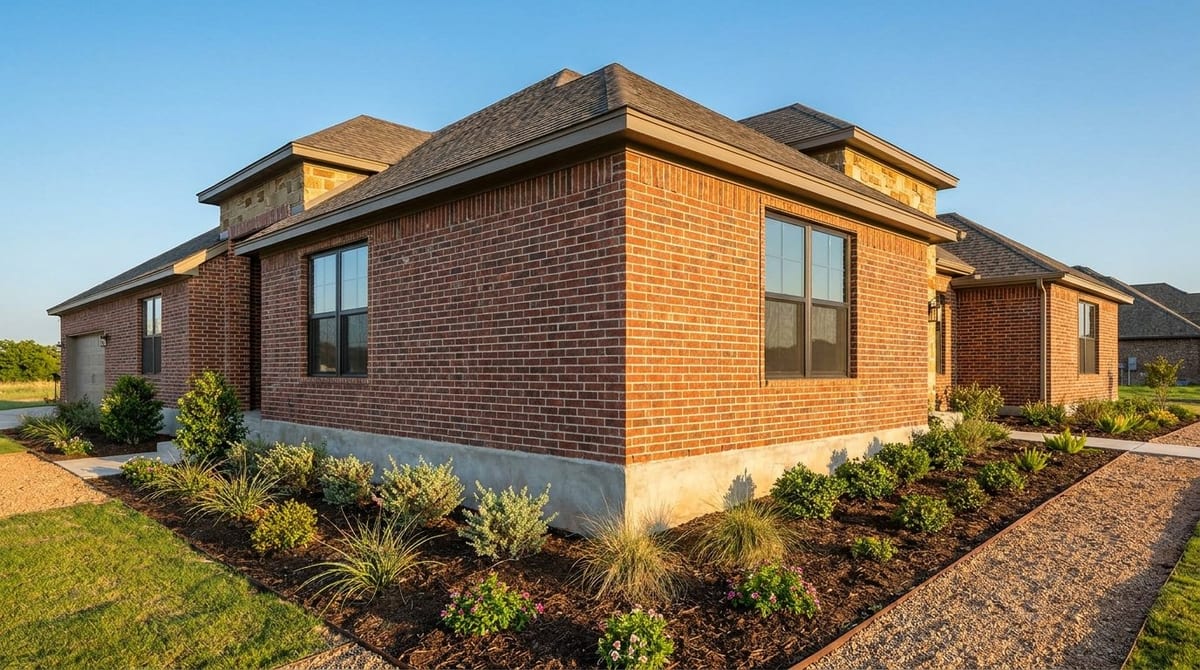
How does foundation repair work?
From evaluation to piers to lift — the step-by-step process.
By The T.A.P. Team · February 2024 · 5 min read
Foundation repair sounds daunting, but the process is well-established: an evaluation determines where and how much the foundation has moved, piers are installed down to stable soil at those points, and the settled areas are hydraulically lifted back toward level and secured. Most residential jobs are done in days, and quality work carries a transferable warranty. Here's the step-by-step of how foundation repair actually works.
- Evaluation: map the movement, plan the piers
- Install piers down to stable soil
- Hydraulically lift the settled areas
- Secure and backfill; clean up
- Warranty covers the work (often lifetime)
Step 1: the evaluation
It starts with a measurement. A technician takes elevation readings across the floor to map how much each area has moved, inspects the signs inside and out, and produces a written plan specifying how many piers you need, what type, and exactly where. This is typically free, and it's the blueprint for the whole repair.
Step 2: install the piers
At each planned point, the crew digs access — along the exterior footing, or through the slab for interior piers — and drives piers (concrete pressed or steel) down until they reach stable soil that doesn't move with moisture. The piers become the new, reliable support beneath the settled sections of the foundation.
Step 3: lift and secure
With the piers in place, hydraulic jacks lift the settled areas of the foundation back toward level — as much as can be safely recovered without cracking finishes. The piers are then locked and shimmed to hold the foundation at its new position, and the access holes are backfilled and the site cleaned up.
Timeline, disruption, and warranty
Most residential repairs take a few days, and you can usually stay in the home. Expect some cosmetic follow-up — cracks may need patching and doors re-adjusting once things settle. It's wise to get a plumbing test afterward (movement can crack under-slab pipes), and quality piering carries a transferable warranty. See what it costs and our foundation services.
| Step | What happens |
|---|---|
| 1. Evaluate | Measure movement; plan piers |
| 2. Install piers | Drive to stable soil |
| 3. Lift | Hydraulically raise toward level |
| 4. Secure | Lock piers; backfill |
| After | Cosmetic touch-up; plumbing test |
Good foundation repair is methodical: a measured evaluation, a written plan with pier count and locations, an engineered lift, and a transferable warranty — plus a recommended plumbing test afterward. Be wary of a crew that skips the measurement or won't put the scope in writing. The process is proven; the difference between companies is the rigor of the evaluation and the strength of the warranty.
Foundation repair in North Texas
With so many DFW homes needing some piering over their lifetime, a clear, documented process matters across Richardson, Frisco, and Mesquite. We evaluate, repair, and warranty the work. See our foundation team.
The short version
- Foundation repair starts with a measured evaluation that maps the movement and plans the piers.
- Piers are driven down to stable soil at each planned point.
- Hydraulic jacks lift the settled foundation back toward level, and the piers lock it there.
- Access holes are backfilled and the site cleaned; most jobs take a few days.
- You can usually stay home; expect some cosmetic touch-up afterward.
- Get a plumbing test afterward, and quality piering carries a transferable warranty.
How foundation repair works — frequently asked questions

Ready to fix your foundation?
Get a free evaluation and a clear, written plan. Serving Dallas–Fort Worth & North Texas for over 25 years.